Introduction: The Cost of Waiting in Pakistan’s Growing Economy
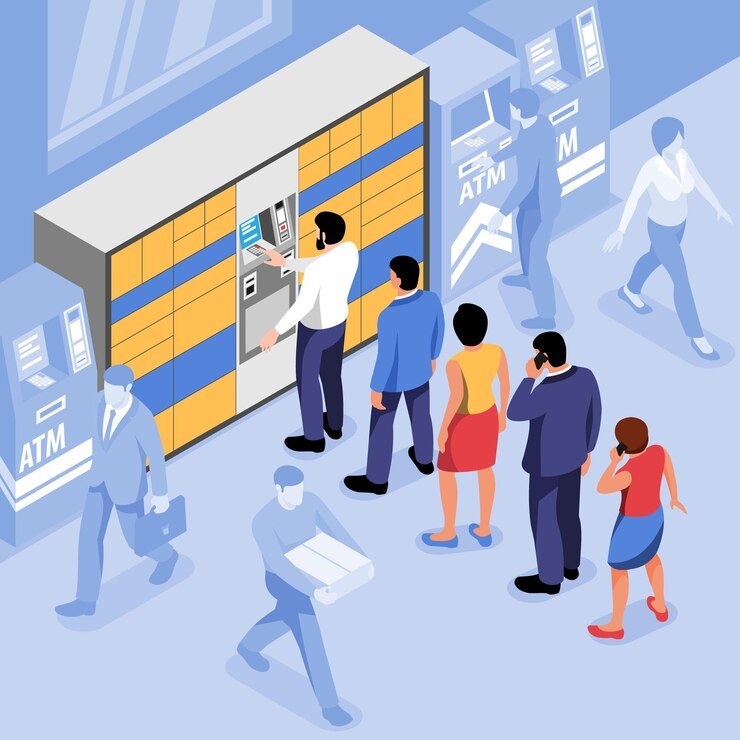
In the bustling commercial centers of Islamabad, Karachi, and Lahore, long queues are more than a minor inconvenience—they represent a significant drain on productivity, customer satisfaction, and ultimately, revenue. Whether it’s citizens waiting at a government office, customers in a bank branch, or patients in a hospital clinic, unmanaged waiting lines create frustration, reduce service quality, and damage an organization’s reputation.
A Queue Management System (QMS) is the modern, technological answer to this universal challenge. It is a structured approach to managing customer flow, moving beyond simple first-come, first-served lines to intelligent, data-driven service delivery. For businesses and public sector organizations across Pakistan, implementing an effective QMS is no longer a luxury but a critical component of operational excellence and customer-centric service in a competitive landscape.
This guide will explore what a Queue Management System is, its undeniable benefits, and the specific considerations for implementation in Pakistan, with a focus on solutions available in Islamabad. We will also highlight why partnering with an experienced local technology provider like TheNextGen Technologies is key to a successful deployment.
Queue Management System: More Than Just a Digital Line
At its core, a Queue Management System is designed to ensure customers are served in the correct order while actively managing their waiting experience throughout their journey. It shifts the paradigm from passive, chaotic waiting to active, informed engagement.
A modern QMS is a combination of both software and hardware that works seamlessly to streamline operations.
- Key Software Components include:
- Online Appointment Booking: Allows customers to schedule their visit in advance, spreading demand and planning staff allocation.
- Virtual Queuing: Enables customers to join a queue via their smartphone, receive real-time updates, and wait off-site—freeing up crowded lobbies.
- Real-Time Monitoring Dashboards: Give managers a live view of wait times, queue lengths, and staff performance.
- Automated Notifications: Send SMS or email alerts to keep customers informed of their status and estimated wait times.
- Key Hardware Components include:
- Self-Service Kiosks: Allow walk-in customers to check in, select a service, and print a ticket or receive a digital ticket on their phone.
- Digital Signage Displays: Show queue information, current ticket numbers, and promotional or informational content in waiting areas.
- Ticket Printers and Counter Displays: Integrate with staff stations to efficiently call the next customer.
The true power of a QMS lies in its ability to manage not just the actual wait time, but the perceived wait time. By keeping customers informed, engaged, and giving them a sense of control, the waiting experience becomes significantly less stressful, even if the clock doesn’t move any faster.
The Tangible Benefits: Why Your Business in Pakistan Needs a QMS
The advantages of implementing a Queue Management System extend across every level of an organization, delivering measurable returns on investment (ROI).
| Benefit | Description & Impact |
|---|---|
| 1. Enhanced Customer Satisfaction & Retention | Long lines are a primary driver of customer frustration. Research shows that 67% of consumers associate waiting with negative emotions like impatience and annoyance. A QMS directly addresses this by reducing uncertainty and perceived wait times, leading to happier customers and increased loyalty. |
| 2. Increased Operational Efficiency & Staff Productivity | Automated queue management frees staff from manual crowd control tasks, allowing them to focus on delivering higher-quality service. Systems can also route customers to the staff member with the most appropriate skills, optimizing first-contact resolution. |
| 3. Data-Driven Decision Making | A QMS generates valuable analytics on peak hours, service times, and customer flow patterns. This data allows managers to make informed decisions about staffing schedules, service point allocation, and process improvements. |
| 4. Reduced Walkaways and Increased Sales | Visible, long queues often deter potential customers from even entering a premises. By managing queues virtually and making waiting more comfortable, businesses can reduce customer attrition. Furthermore, customers waiting virtually are free to browse or shop, potentially increasing impulse purchases. |
| 5. Improved Brand Image and Competitive Advantage | A smooth, modern, and efficient service experience projects an image of professionalism and customer care. In a competitive market, this can be a key differentiator that attracts and retains clients. |
Queue Management System in Pakistan: Market Landscape and Local Implementation
The adoption of digital queue management solutions is growing in Pakistan, particularly in sectors with high public interaction like banking, telecom, healthcare, and government services. Global leaders like Qmatic have a established presence in the country through local partners, with installations running in over 120 countries and a track record in Pakistan dating back years.
For businesses and institutions in Islamabad, Karachi, and Lahore, this means access to world-class technology. However, successful implementation requires careful planning tailored to the local context. Key considerations include:
- Infrastructure and Connectivity: Ensuring reliable power and internet connectivity for hardware and cloud-based software components.
- Multilingual Support: Systems should support Urdu and potentially regional languages to be accessible to all customers.
- User Familiarity: Providing clear instructions and staff assistance, especially for first-time users of self-service kiosks or virtual queues, is crucial for smooth adoption.
- Local Support and Maintenance: Partnering with a provider that offers prompt, on-the-ground technical support and maintenance is essential to avoid prolonged system downtime.
Major industries in Pakistan that stand to benefit significantly from QMS include:
- Banking & Finance: To manage high customer volumes, reduce lobby congestion, and offer premium services.
- Healthcare: To streamline patient check-ins, reduce stress in waiting rooms, and manage appointments effectively.
- Government & Public Services: To improve citizen experience in federal and municipal offices in Islamabad and beyond, making services more accessible and efficient.
- Retail & Telecom: To handle customer inquiries, bill payments, and service requests during peak hours.
Choosing the Right Partner: TheNextGen Technologies as Your QMS Expert
Selecting the right technology is only half the battle. Implementing a QMS that integrates smoothly with your operations and delivers lasting value requires a partner with deep technical expertise and a commitment to service. This is where TheNextGen Technologies distinguishes itself.
As a pioneering technology solutions provider specializing in the restaurant, hospitality, and retail industries, TheNextGen Technologies understands the critical importance of seamless customer experiences. While their expertise spans Point-of-Sale systems, customer feedback solutions, and more, their approach to customer flow management aligns perfectly with the goals of a modern Queue Management System.
Why partner with TheNextGen Technologies for your Queue Management System In Islamabad or anywhere in Pakistan?
- Local Expertise with a Customer-Centric Focus: Based in Karachi with a national reach, they understand the specific challenges and customer behaviors in the Pakistani market.
- End-to-End Solutions: They don’t just sell hardware or software; they provide consultation, integration, and support to ensure the system works for your unique business needs.
- Proven Industry Experience: Their specialization in high-interaction sectors like retail and hospitality means they are adept at designing solutions that improve service speed, staff productivity, and customer satisfaction—the core goals of any QMS.
- Reliable Support: With a focus on Service Level Agreements, they ensure that your investment is protected and operational continuity is maintained.
Choosing TheNextGen Technologies means choosing a partner invested in using technology to solve your real-world business problems, transforming chaotic queues into streamlined, satisfying customer journeys.
Comparing Leading Queue Management System Providers
When evaluating solutions, it helps to understand the landscape of global providers. The table below compares some of the top players often considered for deployments in markets like Pakistan.
| Provider | Key Strengths & Features | Ideal For |
|---|---|---|
| Qmatic | One of the global pioneers; offers robust hardware and software; strong in public sector and healthcare; has an established presence in Pakistan. | Large enterprises, banks, hospitals, and government agencies looking for a comprehensive, globally-tested solution. |
| Wavetec | Comprehensive hardware and virtual solutions; strong integration capabilities (e.g., WhatsApp); highly customizable. | Businesses across banking, retail, and telecom seeking a highly tailored and integrated solution. |
| Waitwhile | Strong focus on virtual queuing and customer communication; user-friendly; good data and analytics. | Service-based businesses, clinics, and retail stores prioritizing digital-first, mobile-friendly queue management. |
| TheNextGen Technologies | Deep local market knowledge in Pakistan; customer-centric approach with full project support; expertise in integrating technology solutions for hospitality and retail. | Pakistani businesses in retail, hospitality, and related sectors seeking a reliable local partner for end-to-end implementation and support. |
Conclusion
In Pakistan’s fast-evolving service economy, customer patience is finite and expectations are rising. A Queue Management System is a strategic investment that directly addresses one of the most visible pain points in the customer journey. For organizations in Islamabad and across Pakistan, implementing a QMS is a clear pathway to reducing operational friction, unlocking staff potential, and building a reputation for exceptional, efficient service.
The journey begins with choosing the right partner—one that combines technological knowledge with an understanding of your local business environment. By leveraging the expertise of providers like TheNextGen Technologies, businesses can transform their service delivery, turning waiting time into an opportunity to impress and retain every customer.
Ready to streamline your operations and delight your customers? Visit thenextgentechnologies.com to explore how our technology solutions can empower your business.
Frequently Asked Questions (FAQs)
1. What is the typical cost range for implementing a Queue Management System in Pakistan?
Costs vary based on scale and complexity. A basic system with a ticket printer and display may start at a lower investment, while a full enterprise solution with multiple kiosks, digital signage, and advanced software can be a more significant project. It’s best to consult with a provider like TheNextGen Technologies for a tailored assessment that includes hardware, software, installation, and support.
2. Can a QMS work in areas with unstable internet connectivity?
Yes, many systems offer hybrid or on-premise modes that can operate with limited connectivity. However, for full features like remote mobile queuing and real-time cloud analytics, stable internet is ideal. A good provider will design a system architecture suited to your location’s infrastructure.
3. How do customers who are not tech-savvy use a virtual queue?
A well-designed system offers multiple options. While tech-savvy customers can use a QR code or website, others can simply provide their mobile number to a staff member at the entrance to receive SMS updates, or use a simple self-service kiosk that provides a printed ticket. Staff assistance is key during the initial rollout phase.
4. What kind of return on investment (ROI) can we expect?
ROI comes from multiple areas: increased staff productivity, reduced customer walkaways (and regained revenue), potential for higher sales from engaged waiting customers, and lower costs associated with manual queue management. The most significant ROI is often the long-term value of increased customer loyalty and positive word-of-mouth.
5. How long does it take to implement a QMS?
The timeline depends on the project’s scope. A single-location deployment with standard hardware can often be completed in a few weeks, including installation and staff training. Larger, multi-branch rollouts or highly customized solutions will require more detailed planning and a longer timeline.