In today’s fast-paced world, customer experience has become a critical differentiator for businesses and public service organizations. Long waiting times, unmanaged queues, and poor service flow often lead to frustration and dissatisfaction. To overcome these challenges, organizations are increasingly adopting a queue management system to streamline operations, improve service efficiency, and enhance customer satisfaction.
A queue management system is no longer limited to banks or government offices. It is now widely used in hospitals, telecom service centers, retail outlets, educational institutions, and corporate offices. By automating and organizing customer flow, businesses can serve more people in less time while maintaining high service quality.
What Is a Queue Management System?
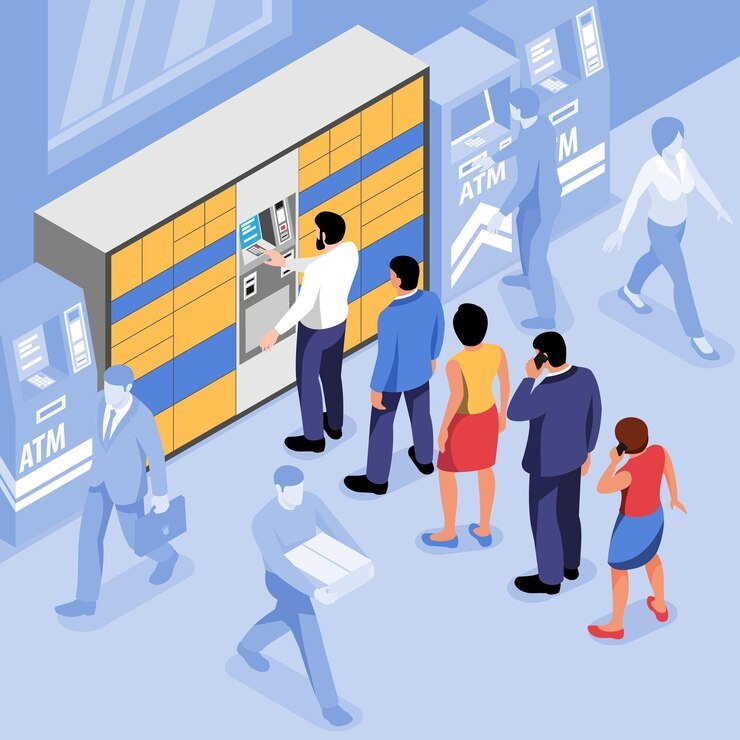
A queue management system is a technology-driven solution designed to control, monitor, and optimize customer flow in service environments. Instead of customers standing in long physical lines, the system organizes queues digitally and directs customers to service counters efficiently.
Modern queue management systems typically include:
- Digital ticketing systems
- Token displays
- Customer notification screens
- Voice announcements
- Centralized queue control software
- Reporting and analytics tools
These systems ensure that customers are served in an orderly manner, reducing chaos and improving transparency in service delivery.
Importance of Queue Management in Customer Experience
Customer experience plays a crucial role in brand reputation and customer loyalty. Poorly managed queues can lead to negative reviews, customer complaints, and lost business opportunities.
A queue management system helps organizations:
- Reduce perceived waiting time
- Improve service transparency
- Ensure fair and organized customer handling
- Increase staff productivity
- Enhance overall service quality
When customers feel that their time is valued, their trust in the organization increases significantly.
Key Features of a Modern Queue Management System
Modern queue management solutions are built with advanced features to meet the needs of high-traffic service environments.
Digital Token Generation
Customers receive tokens via kiosks, mobile apps, or service desks, eliminating physical crowding.
Real-Time Queue Display
Digital screens display current token numbers and service counters, keeping customers informed.
Voice Announcements
Automated voice calls ensure customers do not miss their turn.
Multi-Branch Support
Organizations with multiple branches can manage queues centrally.
Analytics and Reporting
Detailed reports help management analyze peak hours, service efficiency, and staff performance.
Industries Using Queue Management Systems
Queue management systems are widely adopted across various industries due to their flexibility and scalability.
Banking and Financial Services
Banks use queue management systems to manage customer flow for cash services, account inquiries, and customer support.
Healthcare Facilities
Hospitals and clinics rely on queue systems to organize patient flow, reduce congestion, and improve care delivery.
Government Offices
Government departments use queue management systems to handle large volumes of citizens efficiently and transparently.
Telecom and Utility Service Centers
Telecom companies and utility providers manage customer service desks using digital queue systems.
Retail and Corporate Offices
Retail stores and corporate offices use queue systems to enhance service efficiency and customer satisfaction.
Queue Management System in Rawalpindi: Growing Demand and Adoption
The demand for a queue management system in Rawalpindi has increased significantly in recent years. As a major urban center with a growing population, Rawalpindi hosts numerous banks, hospitals, government offices, and service centers that deal with high daily footfall.
Organizations in Rawalpindi are adopting queue management systems to:
- Reduce overcrowding
- Improve service efficiency
- Enhance customer satisfaction
- Maintain organized service environments
Healthcare institutions, NADRA offices, banks, and telecom service centers in Rawalpindi are among the leading adopters of digital queue solutions.
Benefits of Queue Management Systems for Rawalpindi-Based Businesses
Implementing a queue management system offers several advantages to organizations operating in Rawalpindi.
Reduced Waiting Time
Digital queues help distribute customers evenly across service counters, minimizing delays.
Better Crowd Control
Organized customer flow reduces congestion in waiting areas.
Improved Staff Efficiency
Employees can focus on service delivery instead of managing queues manually.
Enhanced Public Image
Organizations using modern systems are perceived as professional and customer-focused.
Queue Management System in Pakistan: A Nationwide Digital Shift
The adoption of a queue management system in Pakistan reflects the country’s growing focus on digital transformation. Public and private sector organizations across major cities are moving away from manual queue handling toward automated solutions.
Cities such as Karachi, Lahore, Islamabad, Rawalpindi, Faisalabad, and Peshawar are witnessing increased demand for smart queue management systems. This shift is driven by:
- Rising customer expectations
- Increased service volumes
- Government initiatives for digitalization
- Need for transparency and efficiency
Queue management systems are now considered an essential component of modern service infrastructure in Pakistan.
Challenges Addressed by Queue Management Systems in Pakistan
Service organizations in Pakistan often face operational challenges that queue management systems help resolve.
Overcrowded Waiting Areas
Digital queues minimize physical crowding and improve safety.
Inefficient Service Flow
Automated systems ensure fair and organized customer handling.
Lack of Service Transparency
Customers can clearly see their position in the queue, reducing frustration.
Limited Performance Insights
Analytics help organizations identify bottlenecks and improve service strategies.
Role of Technology in Advanced Queue Management Systems
Technology plays a central role in the effectiveness of modern queue management systems.
Cloud-Based Systems
Cloud solutions allow remote monitoring and centralized management across multiple locations.
Mobile Integration
Customers can join queues remotely using mobile apps or SMS notifications.
Data Analytics
Organizations gain valuable insights into customer behavior and service performance.
Integration with Other Systems
Queue systems can integrate with CRM, ERP, and POS systems for seamless operations.
Why Businesses Are Investing in Queue Management Systems
Businesses across Pakistan recognize that efficient service delivery is key to long-term success. Queue management systems help organizations:
- Improve customer satisfaction
- Increase service capacity
- Reduce operational stress
- Enhance brand credibility
- Support future scalability
As competition grows, businesses that prioritize customer experience gain a significant advantage.
The NextGen Technologies: A Top Queue Management System Provider
When it comes to reliable and scalable queue management solutions, The NextGen Technologies stands out as a top company in Pakistan.
The NextGen Technologies offers advanced queue management systems tailored to the needs of banks, hospitals, government offices, telecom service centers, and corporate organizations. Their solutions are designed to deliver efficiency, reliability, and ease of use.
With expertise in deploying queue management systems in Rawalpindi and across Pakistan, The NextGen Technologies helps organizations transform their service environments using modern technology.
For professional queue management solutions, businesses trust thenextgentechnologies.com as a reliable technology partner.
Future of Queue Management Systems in Pakistan
The future of queue management systems in Pakistan is promising. Emerging trends include:
- AI-driven queue optimization
- Predictive wait-time analytics
- Mobile-first queue systems
- Smart customer notifications
- Integration with digital identity systems
As service demands continue to grow, organizations that adopt advanced queue management systems will be better positioned to meet customer expectations.
Conclusion
A queue management system is no longer a luxury—it is a necessity for organizations aiming to deliver efficient, transparent, and customer-friendly services. From improving operational efficiency to enhancing customer satisfaction, the benefits are clear.
In cities like Rawalpindi and across Pakistan, the adoption of digital queue management systems is transforming how services are delivered. By partnering with trusted providers like The NextGen Technologies, organizations can implement future-ready queue management solutions that support growth, efficiency, and customer trust.
FAQs
1. What is a queue management system?
A queue management system is a digital solution that organizes and controls customer flow in service environments to reduce waiting time and improve efficiency.
2. Which industries use queue management systems in Pakistan?
Banks, hospitals, government offices, telecom service centers, retail outlets, and corporate offices commonly use queue management systems.
3. Is a queue management system suitable for small businesses?
Yes, queue management systems can be scaled to suit both small and large organizations.
4. Why is a queue management system important in Rawalpindi?
High customer footfall in banks, hospitals, and public offices makes queue management systems essential for efficient service delivery.
5. Which company provides reliable queue management systems in Pakistan?
The NextGen Technologies is a trusted provider offering professional queue management solutions across Pakistan.