From Novelty to Necessity: The Fingerprint Scanner Revolution
Once the exclusive domain of high-security government facilities and sci-fi films, the fingerprint scanner has undergone a remarkable transformation. Today, it is an unremarkable part of our daily routine, unlocking smartphones, authorizing payments, and clocking us in at work. This widespread adoption signals a fundamental shift in how we approach security and identity verification: moving from what we remember (passwords) or possess (keys, cards) to who we inherently are. At the heart of this biometric revolution lies a powerful combination of hardware and software, with devices like the Hamster Plus fingerprint reader representing the sophisticated, accessible technology driving this change. For businesses and institutions, integrating a reliable fingerprint reader is no longer just an upgrade; it’s a strategic imperative for enhancing security, streamlining operations, and building trust.
This post explores the technological leap from basic scanners to advanced readers, examines the critical role they play across industries, and highlights why partnering with an innovative provider like TheNextGenTechnologies is essential for navigating this new landscape of identity.
Understanding the Technology: Scanner vs. Reader – More Than Semantics
While the terms are often used interchangeably, understanding the distinction between a finger print scanner and a fingerprint reader clarifies the technology’s evolution. A scanner is primarily a capture device—it acquires the image of a fingerprint. A reader, however, implies a more integrated system designed for verification or identification against a stored database.
Modern devices, like the Hamster Plus, are comprehensive readers. They combine high-resolution scanning hardware with advanced processing algorithms to perform a complete cycle:
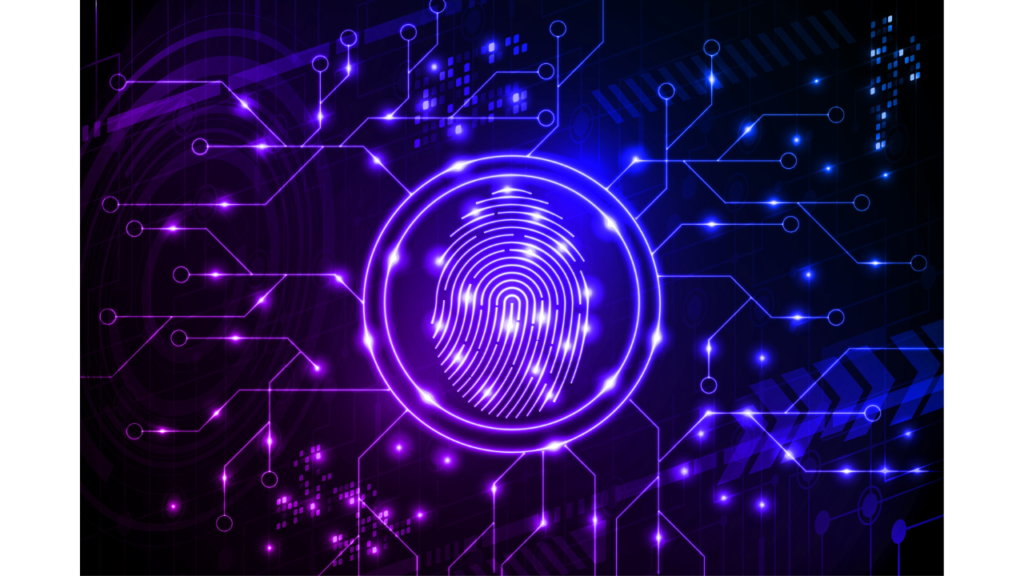
- Image Capture: Using sensors (optical, capacitive, or ultrasonic) to create a detailed digital map of the fingerprint’s ridges and valleys.
- Feature Extraction: The software identifies unique minutiae points—where ridge lines end, split, or form other distinct patterns.
- Template Creation & Matching: This data is converted into a secure, encrypted mathematical template. During authentication, a new scan is instantly compared to the stored template, granting or denying access in milliseconds.
The Hamster Plus fingerprint reader exemplifies this integration, offering a plug-and-play solution that handles this complex process seamlessly, making advanced biometrics accessible for time and attendance, access control, and secure PC login applications.
The Multifaceted Applications of Fingerprint Reader Technology
The utility of fingerprint technology extends far beyond unlocking a phone. Its reliability, speed, and uniqueness make it a cornerstone of modern security and operational frameworks across sectors.
- Enterprise Security & Access Control: Replacing keycards and PIN codes, fingerprint readers provide a superior level of physical and logical security. They prevent credential sharing, tailgating, and unauthorized access to sensitive areas like server rooms, laboratories, or executive floors. The Hamster Plus is widely deployed in these scenarios for its durability and high verification speed.
- Time, Attendance, and Workforce Management: Eliminating “buddy punching” (colleagues clocking in for each other) saves organizations significant resources. A fingerprint scanner for attendance creates an indisputable audit trail, ensuring accurate payroll processing and compliance with labor regulations. It streamlines the process for employees, who no longer need to remember cards or codes.
- Financial Services & Transactions: Banking and fintech are rapidly adopting biometrics for customer authentication. From ATM access to authorizing high-value transactions on mobile apps, fingerprint verification adds a robust layer of security that is extremely difficult to forge, significantly reducing fraud.
- Healthcare Patient Identification: In hospitals, misidentification can have serious consequences. Using a fingerprint reader to accurately identify patients ensures they receive the correct medication, treatment, and access to their own medical records, enhancing both safety and privacy.
- Government and Law Enforcement: The original adopters, these sectors use biometrics for national ID programs, border control, criminal database management, and issuing secure credentials like passports and licenses.
TheNextGenTechnologies: Your Partner in Advanced Biometric Integration
In a market flooded with hardware of varying quality, selecting the right technology partner is crucial. Success depends not just on the sensor, but on the software ecosystem, reliability, scalability, and vendor support. This is where TheNextGenTechnologies establishes itself as a leader.
TheNextGenTechnologies doesn’t just sell devices; it delivers future-proof identity solutions. Their philosophy is built on the understanding that a fingerprint reader is a critical node in an organization’s security infrastructure. They distinguish themselves through:
- Curated, High-Fidelity Hardware: They partner with top-tier manufacturers to offer devices like the Hamster Plus, known for its high spoof detection rates (the ability to reject fake fingerprints) and exceptional performance in diverse conditions. They ensure the hardware is robust enough for industrial use yet user-friendly for office environments.
- Seamless Software Integration: A scanner alone is ineffective. TheNextGenTechnologies provides and supports powerful SDKs (Software Development Kits) and APIs that allow their hardware to integrate smoothly into existing access control systems, HR platforms, and custom applications. This reduces deployment time and complexity.
- Focus on Security and Privacy: They adhere to the highest standards of data protection. Fingerprint templates are encrypted and stored securely, often locally on the device or in a segregated database, never as reversible images. This commitment addresses core privacy concerns.
- Scalability and Expert Support: Whether a small business needs ten units or a multinational corporation needs a thousand, TheNextGenTechnologies provides scalable solutions backed by expert technical support. They guide clients from initial consultation and system design through to deployment and ongoing maintenance.
For any organization looking to move beyond outdated security methods, TheNextGenTechnologies provides the technological expertise and partnership needed to implement a biometric system confidently and effectively. Their solutions, centered on reliable hardware like the Hamster Plus fingerprint reader, empower businesses to secure their assets, optimize operations, and step firmly into a more secure future.
Explore how TheNextGenTechnologies can transform your security approach: Visit thenextgentechnologies.com to learn about their biometric solutions, including the Hamster Plus, and schedule a consultation with their integration specialists.
The Future is at Your Fingertips: Trends and Considerations
The trajectory of biometric technology points toward even greater integration. We are moving towards multi-modal systems that combine fingerprints with facial recognition or iris scanning for even higher security levels (multi-factor authentication). The rise of cloud-based biometric management and the use of AI for faster, more accurate matching are also on the horizon.
When planning an implementation, key considerations include:
- Total Cost of Ownership: Consider software licenses, integration effort, and maintenance, not just hardware price.
- User Enrollment Process: A smooth, quick enrollment is critical for user adoption.
- Failure to Enroll Rate: The technology must work for virtually all users, accounting for varied skin conditions or print clarity.
- Compliance: Ensure the system meets relevant data protection regulations (like GDPR or local privacy laws).
Conclusion: Embracing a More Secure and Efficient Standard
The fingerprint scanner has evolved from a novel gadget to a fundamental tool for modern identity assurance. Devices like the Hamster Plus fingerprint reader offer a perfect blend of high security and user convenience, solving real-world problems in attendance fraud, unauthorized access, and inefficient verification.
Adopting this technology is a clear step toward operational integrity and robust security. By choosing a visionary and reliable partner like TheNextGenTechnologies, organizations can ensure they are not just purchasing a piece of hardware, but investing in a comprehensive, scalable, and secure identity management solution. The future of access is biometric, and it is already here at our fingertips.
Frequently Asked Questions (FAQs)
1. Is fingerprint data secure? Can it be hacked or stolen?
Modern systems do not store actual fingerprint images. They create and store an encrypted mathematical template (a series of numbers) derived from specific data points. This template is generally useless if stolen, as it cannot be reverse-engineered into a usable fingerprint. Reputable systems like those from TheNextGenTechnologies use advanced encryption and often store templates locally on the device for added security.
2. What if an employee or user has a cut, worn, or damaged fingerprint?
High-quality readers like the Hamster Plus use sophisticated algorithms that can still identify a match by analyzing the undamaged portions of the print. For edge cases, the best systems offer fallback authentication methods (like a PIN code) managed by an administrator. The “failure to enroll” rate for quality devices is very low.
3. How does a fingerprint reader differ from facial recognition?
Both are biometrics, but they have different strengths. Fingerprint readers are generally considered highly accurate for 1-to-1 verification (confirming you are who you claim to be), are less affected by lighting changes, and are often more cost-effective. Facial recognition is more useful for passive identification in crowds but can be affected by masks, glasses, or lighting. For high-security access control, fingerprints remain a gold standard.
4. Are there hygiene concerns with shared fingerprint readers?
This is a common concern, especially post-pandemic. The contact surface is minimal. Many users instinctively use a different finger to touch public readers. Furthermore, the materials used are often antimicrobial, and routine cleaning with appropriate disinfectants is recommended as part of any facility’s maintenance schedule. The health risk is considered very low compared to touching door handles or shared keypads.
5. Can we integrate a fingerprint reader like the Hamster Plus with our existing HR or security software?
Yes, this is a core capability offered by solution providers like TheNextGenTechnologies. They provide Software Development Kits (SDKs) and APIs that allow their biometric devices to communicate seamlessly with most major time-attendance software, access control platforms, and custom databases. A qualified provider will handle the technical integration to ensure a smooth workflow.